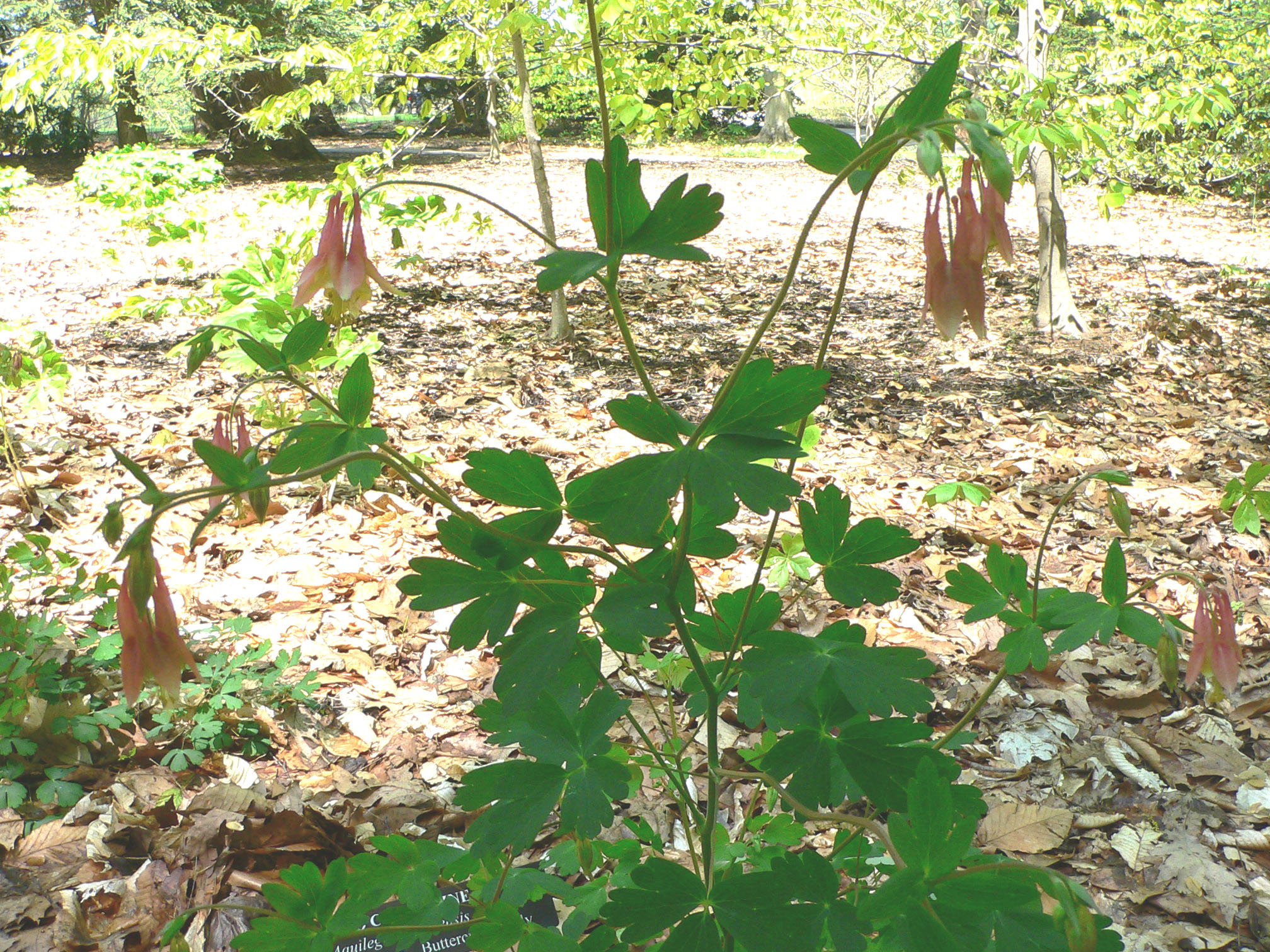
Aquilegia canadensis (Wild Columbine). Photo: Wikimedia Commons, CC BY-SA 3.0.
There is a particular kind of garden bed that looks, to most people, slightly unfinished. The plants lean into each other; the blooms arrive and go without deadheading; things seed themselves into adjacent gravel. That's not neglect — it's the practical appearance of a bed designed around ecological function rather than horticultural tidiness. This is what a working pollinator garden typically looks like once it's established.
What follows is a working overview of how to plan and populate a native pollinator garden in Canada, covering species selection, bloom succession, and the structural choices that determine whether a bed actually supports the insect life it's meant to.
Why native plants matter for pollinators
Native bee species — and Canada has over 800 of them — evolved alongside native flowering plants. Many are highly specialized: they can only collect pollen from certain plant genera, or their tongue length matches only specific flower depths. A garden planted entirely with cultivated non-natives may offer nectar, but often lacks the pollen quality or floral structure that native bees require for successful reproduction.
Rudbeckia hirta (Black-eyed Susan), for example, is visited by over 60 species of native bees in Ontario alone. A hybrid ornamental coneflower may attract general foragers but blocks access to the disc florets where specialist bees concentrate their pollen collection. This distinction is invisible at casual observation but matters enormously at the population level.
Planning bloom succession
A pollinator garden that supports insects from late April through October requires plants at each of three broad seasonal windows:
Early season (April – June)
Early-emerging queen bumblebees need protein-rich pollen immediately after they leave winter dormancy. At this time, most non-native garden plants are not yet blooming. Reliable native early-season sources include:
- Aquilegia canadensis (Wild Columbine) — blooms May–June; long spurs contain nectar for long-tongued bees and hummingbirds
- Geranium maculatum (Wild Geranium) — tolerates part shade; visited by mining bees and small carpenter bees
- Claytonia caroliniana (Carolina Spring Beauty) — very early; a key early pollen source for Andrena specialists
Midsummer (July – August)
This is typically when pollinator diversity peaks. Competition for resources intensifies, and a garden that has collapsed into only one or two species in bloom will underperform significantly. Reliable midsummer natives include:
- Monarda fistulosa (Wild Bergamot) — excellent for bumblebees and specialist Anthophora bees; also supports clearwing sphinx moths
- Rudbeckia hirta (Black-eyed Susan) — broadly accessible to most bee body sizes; self-seeds aggressively once established
- Lobelia cardinalis (Cardinal Flower) — one of the few red native flowers; specifically adapted for hummingbird pollination
- Echinacea purpurea (Purple Coneflower) — long-blooming; flat disc florets are accessible to short-tongued bees
Late season (September – October)
This window is critical and often overlooked. Late-season resources allow bumblebee queens to build fat reserves before hibernation, and migrating monarchs need nectar for the journey to Mexico. The two most important late-season native genera in eastern Canada are:
- Solidago (goldenrods) — commonly dismissed as hay fever plants (incorrectly; ragweed is the actual culprit), goldenrods support over 100 bee species and provide dense late-season pollen and nectar
- Symphyotrichum (asters) — the New England Aster (S. novae-angliae) and Smooth Aster (S. laeve) are among the most ecologically valuable plants in an eastern Canadian garden
Structural considerations
Beyond species selection, the physical structure of the bed influences which insects can use it. A few practical notes:
- Bare ground. Many native ground-nesting bees require areas of bare, compacted soil to dig nesting tunnels. A bed that is fully mulched eliminates this option. Leaving a 30–50 cm patch of bare soil at a south-facing edge supports nesting bees that would otherwise have no suitable site.
- Stem material. Pithy-stemmed plants like elderberry, sumac, and goldenrod are used by cavity-nesting bees as overwintering sites. If you cut stems back each autumn, you're removing active nesting infrastructure. Leaving stems at 30 cm through the winter, then cutting in late spring once temperatures stabilize above 10°C, balances tidiness with habitat function.
- Leaf litter. Bumble bee queens and many moth species overwinter under leaf litter. Raking a native bed clean each autumn removes this shelter. A light leaf layer is not a sign of neglect; it is part of what makes the bed functional through the year.
Regional notes for Canadian gardeners
Species suitability varies by hardiness zone and regional ecotype. A plant native to Carolinian Ontario may not be appropriate for a garden in Winnipeg or Halifax. The following general guidance applies to the most common Canadian planting regions:
- Atlantic Canada (Zones 5–6b): Focus on Symphyotrichum, Lobelia, and Iris versicolor (Blue Flag Iris) in moist sites. Coastal-adapted genotypes are preferable where available.
- Ontario and Quebec (Zones 4b–7a): The widest native plant palette applies here. Most species discussed in this article are native to this region.
- Prairies (Zones 2–4): Liatris spicata (Dense Blazingstar), Gaillardia aristata (Blanketflower), and Penstemon species are reliably hardy and ecologically appropriate.
- British Columbia (Zones 5–9, coastal): Camassia quamash, Eriophyllum lanatum, and native Ribes species are among the most productive for Pacific coast pollinators.