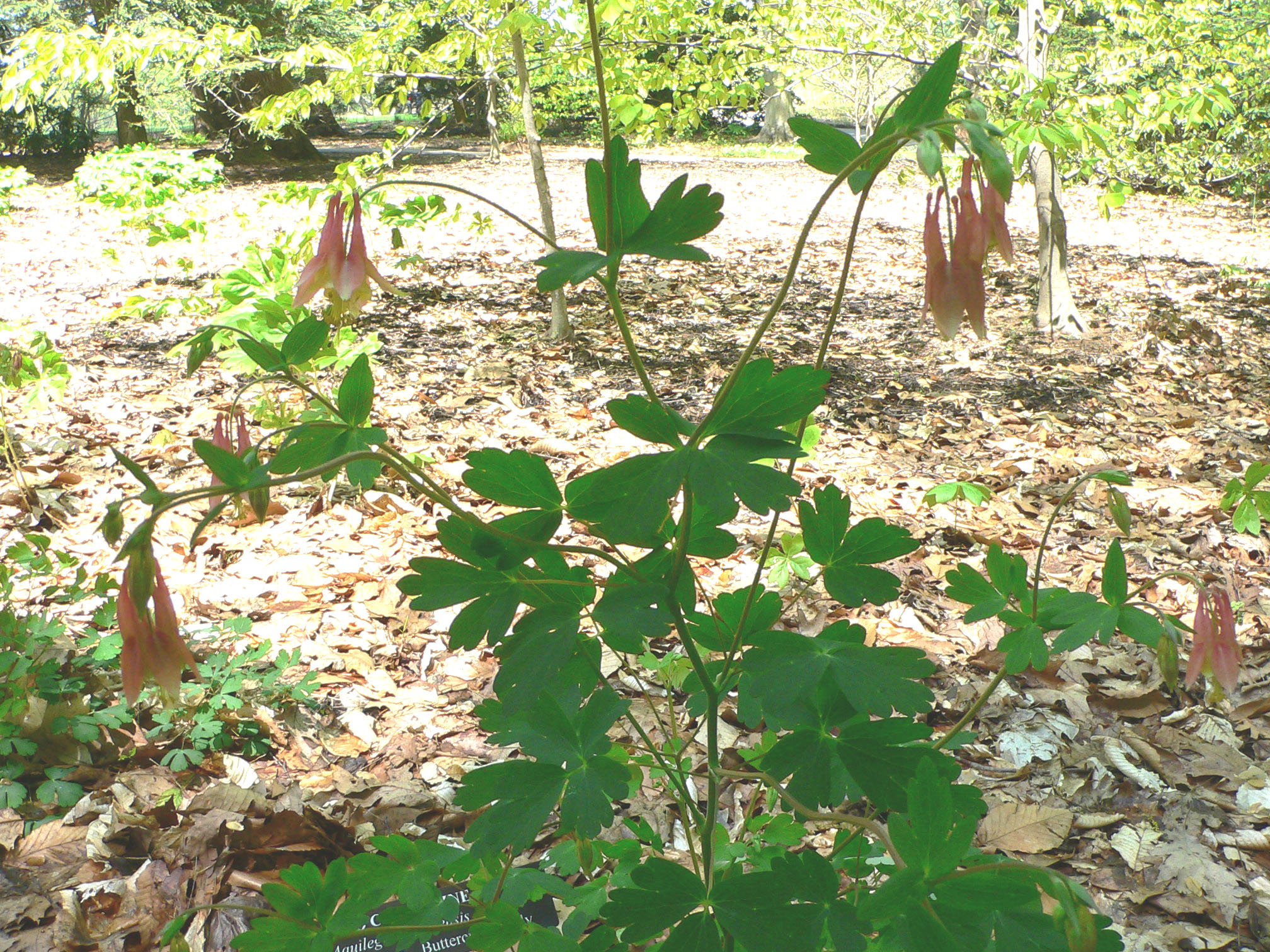
Pollinator habitat
Notes on indigenous plant selection, pollinator habitat, and the ecology of Canadian garden beds — written for gardeners who pay attention to what's already in the ground.


A native perennial bed established in Ottawa's clay soil will outperform a conventional border within two or three seasons. The plants have spent thousands of years calibrating themselves to local frost dates, rainfall patterns, and soil chemistry. That's not sentiment — it's a practical argument for lower maintenance and more resilient beds.
Read the full overview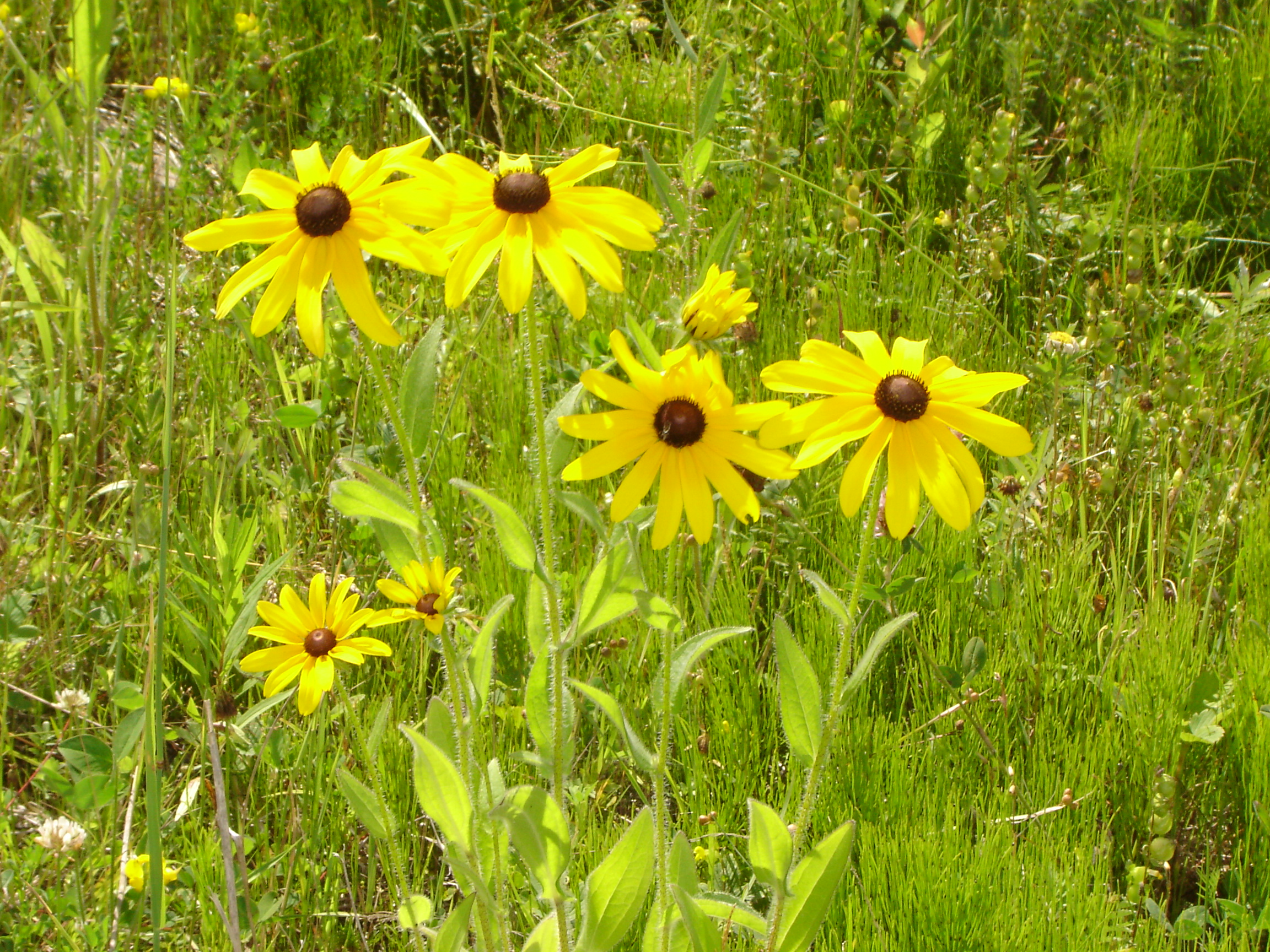
Rudbeckia hirta — A short-lived perennial native to most of Canada east of the Rockies. Tolerates poor, dry soils. Feeds native bees from late June through August.

Symphyotrichum novae-angliae — One of the last native flowers to bloom before frost. Monarch butterflies rely on its late-season nectar during the southward migration.

Lobelia cardinalis — Prefers moist sites along stream edges and pond margins. The only native Ontario plant whose red flowers are specifically adapted for ruby-throated hummingbirds.
Pollinator diversity in Canadian urban areas has declined steadily since the 1990s, largely because residential landscaping prioritizes visual tidiness over habitat function. Replacing even a modest patch of lawn with a native planting — goldenrod, aster, coneflower — creates forage and nesting material for dozens of native bee species that have no equivalent elsewhere in the urban landscape.
Goldenrod and aster guide
Monarch butterflies (Danaus plexippus) cannot complete their life cycle without milkweed. Female monarchs lay eggs exclusively on milkweed leaves; the caterpillars eat nothing else. As milkweed coverage has declined across Ontario, Quebec, and the Prairie provinces, monarch populations have tracked that loss. Planting Asclepias syriaca or Asclepias tuberosa is one of the few direct interventions available to home gardeners.
Milkweed and monarchsReach out directly — responses typically within two business days.